
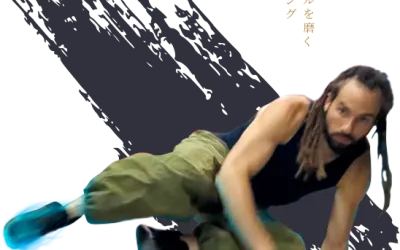
This lifestyle guide is meant to help restore and foster balance in the body through simple considerations as to how we perform basic life functions. It is meant to be simple, easy to follow, and not at all a diet, exercise program, meditation practice, optimism brainwash, or anything like that! It is more about what makes movement, breathing, eating, and thinking natural; what makes it unnatural; and how to tweak the things you are already doing on a daily basis in order to optimize your health without making unsustainable changes.
- Breathe through your nose.
- Make your breathing inaudible.
- Chew your food like your mouth is a blender, and sip your drinks (don’t chug).
- Listen to your body, discover which foods agree with you and which don’t.
- Move with the whole body.
- Exhale with the strenuous part of movements.
- Think productively; if you are brooding over negative thoughts, do something about those negative things, or change what you are focused on.
- Learn to let go of mental fixation (overthinking).
1) Respiration
Silent breathing. Audible breathing causes excess friction and force in the airways, though at a very low level. A natural breath should be inaudible (can’t hear it) and invisible (can’t see the nostrils or body moving obviously). Yes, your belly and chest will expand when you inhale, but this movement shouldn’t be noticeable if you are taking long breaths.
2) Ingestion
If someone is thinking about stressful things at mealtime, or watching something distracting, or eating on the move, it will affect digestion. Ingestion should be deliberate, there should be a mental preparation for eating, you should pay attention to your food at mealtime so that your body can prepare for what you are trying to digest. Think about it like this, you want to use all of your senses to tell your body what you are eating, and you want to digest as much as you can with your teeth so that your stomach has smaller food particles to deal with. The key points to focus on are, to be present when you are eating your meals, and make your mouth treat every bite like a food processor would.
3) The Principles of Physical Movement
Your emotional state can affect your posture and pattern of abnormal tension. When a person is sad they are often slumped forward, shoulders rolling in, and head drooping down. Being angry, high-strung, stressed out, anxious, or depressed all manifest in the way we hold our bodies. Diet is also something that is closely related to a person’s endurance and flexibility, but this is a very broad and complex topic, and not the area of focus for the basics.
4) Mindfulness and Productive Thinking
When you find yourself worrying or brooding, think of what you can do right now to change whatever it is that is bothering you. If there is nothing to be done at this moment, and focusing on it doesn’t change anything, then it’s time to apply a little discipline to pry your mind away from what’s bothering you, and focus your energy on doing something that will be affected by your effort.
Bare Minimum : Try to catch yourself when you are lingering on a thought for too long, and either decide to take action, or find something else to focus on that makes you feel productive or content.
Where Does This All Come From
These principles come from Dr. Keizo Hashimoto, the founder of Sotai, a movement therapy from Japan. Sotai uses comfortable, active movement to foster balance, and its philosophy also takes breathing, eating, and thinking into account.
What makes this way of life so special is how simple the guidelines are. The Sotai lifestyle does not preach a specific diet, nor does it involve a complex and time-consuming practice of meditation, nor hours of stretching every week. It is more about adjusting the way you do the things that affect your health, than trying to replace everything that you do with something new and praying that it sticks. I chose to adapt this approach into Natural Mobility’s paradigm as it is simple, and allows for great diversity of different diets and movement practices.
My recommendation is to adapt this model as the basis of your lifestyle. Any diet, exercise program, or meditation practice, that you want to stack on top of it all is up to you, but all of these principles should fit in without contradicting any natural approach.